
The holiday season is full of special traditions, get-togethers, and parties with your family, friends, co-workers, and more. And with these festivities comes an abundance of sweets and treats that seem impossible to resist.
Keep reading to learn what food and drinks you should avoid this holiday season in order to keep your teeth and gums healthy.
Eggnog
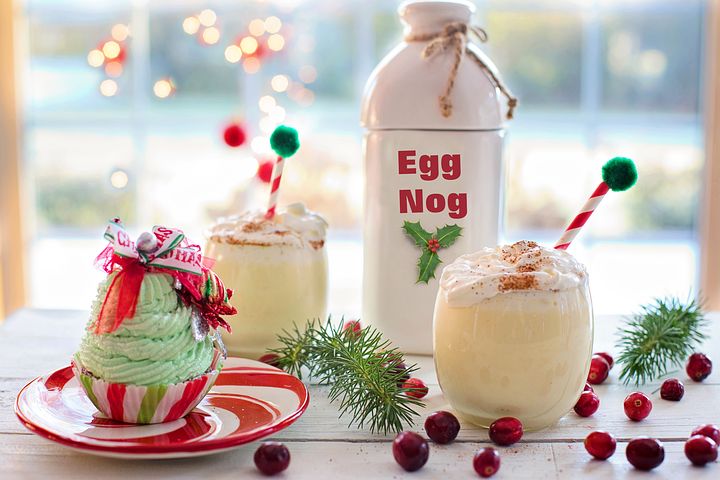
Eggnog has (mostly) three main components — sugar, dairy, and alcohol, all of which are bad for your teeth. Not only is it high in sugar, but you can actually feel the high fat content stick to your teeth, making your teeth and mouth feel uncomfortable.
If you drink eggnog, with or without alcohol, make sure to drink water directly after to rinse your teeth and make them feel normal again. It can also leave you with bad breath, which no one wants to have at a party!
Popcorn
While popcorn is a relatively healthy snack, it can cause a lot of damage to your teeth. Not only is it easy to get stuck in your teeth, but biting an unpopped kernel might make you crack or chip a tooth.
Even worse? Caramel popcorn. While it is festive, the sticky consistency of caramel can get stuck in your teeth, which accelerates tooth decay.
Candy Canes
Candy canes are potentially the worst treat for your teeth. They’re entirely sugar, which we all know is not good for your teeth or gums. Since many people lick or suck candy canes over a long period of time, this exposes the mouth to sugar constantly over an extended timeframe. Finally, the hardness of candy canes can result in a chipped tooth when bitten.
Overall, candy canes are definitely a treat you’ll want to avoid this holiday season!
Alcohol
With all the parties and get-togethers to attend throughout the holiday season, it’s not uncommon to consume more alcohol during this time than you normally would. If you prefer wine or mixed drinks, it’s important to note that these drinks often contain high amounts of both acid and sugar, which can erode tooth enamel and speed up tooth decay.
While alcohol is known to cause dehydration, did you know excessive consumption can slow saliva production? This increases your risk of tooth decay and gum disease and does not help your breath, either! It’s crucial to drink plenty of water between beverages when consuming alcohol.
Desserts
Cookies, cupcakes, pies, yule logs — the list goes on and on! While desserts are a staple of the holiday season, most are (unfortunately) full of sugar. Snacking on these treats often, especially within a small window of time, exposes your teeth to sugar that eventually causes the enamel on your teeth to dissolve. Once that occurs, you are more susceptible to cavities, which no one wants to deal with around the holidays!
While it might seem difficult to maintain a healthy oral care routine during this time of year, we’re here to help! As one of the top 20 dentists in Lancaster, PA, we are committed to providing the highest quality of care for your cosmetic and dental treatment needs.
Rather than searching for “family dentists near me,” contact Smiles by Stevens today for superior results.
Happy Holidays!